

Introduction
In the realm of architecture and interior design, the use of stone veneer has long been admired for its timeless elegance and durability. The natural textures and colors of stone add a touch of luxury and sophistication to any space, be it a residential home, commercial building, or outdoor landscape. However, the traditional heavy weight and installation challenges associated with natural stone veneer have often made it a less practical option for many projects.
Enter lightweight stone veneer – a revolutionary product that combines the beauty of natural stone with the convenience of a lightweight and easy-to-install material. In recent years, lightweight stone veneer has gained popularity among architects, designers, and homeowners for its versatility, sustainability, and cost-effectiveness. In this comprehensive article, we will explore the various aspects of lightweight stone veneer, including its composition, benefits, applications, and installation techniques.
Composition of Lightweight Stone Veneer
Lightweight stone veneer is a manufactured product that replicates the look and feel of natural stone while being significantly lighter in weight. The composition of lightweight stone veneer typically includes a blend of natural stone aggregates, cement, and other additives that help reduce the overall weight of the product. By using lightweight materials and innovative manufacturing techniques, manufacturers are able to create stone veneer that is up to 75% lighter than traditional natural stone.
One of the key components of lightweight stone veneer is expanded polystyrene (EPS) foam, which is used as a backing material to provide structure and support to the veneer. EPS foam is a lightweight and durable material that helps reduce the weight of the veneer without compromising its strength or durability. Additionally, EPS foam also provides insulation properties, making lightweight stone veneer an energy-efficient choice for buildings.
Another important component of lightweight stone veneer is a high-quality adhesive that is used to bond the veneer to the substrate. The adhesive ensures a strong and durable connection between the veneer and the surface, preventing any issues related to delamination or detachment over time. Manufacturers often use advanced polymer-based adhesives that are specifically designed for use with lightweight stone veneer, ensuring a secure and long-lasting installation.
Benefits of Lightweight Stone Veneer
The use of lightweight stone veneer offers a wide range of benefits for architects, designers, builders, and homeowners alike. Some of the key advantages of lightweight stone veneer include:
1. Versatility: Lightweight stone veneer is available in a variety of shapes, sizes, colors, and textures, allowing for endless design possibilities. Whether you prefer the rustic charm of stacked stone or the sleek elegance of smooth-cut veneer, there is a lightweight stone veneer option to suit every style and aesthetic preference.
2. Cost-Effectiveness: Compared to natural stone veneer, lightweight stone veneer is more affordable in terms of both material cost and installation expenses. The lightweight nature of the product reduces shipping costs and makes installation quicker and easier, saving both time and money on construction projects.
3. Sustainability: Lightweight stone veneer is an eco-friendly building material that helps reduce the environmental impact of construction projects. By using lightweight materials and manufacturing processes that produce minimal waste, lightweight stone veneer contributes to sustainable building practices and green building certifications.
4. Durability: Despite its lightweight nature, lightweight stone veneer is a durable and long-lasting material that can withstand the elements and the test of time. The high-quality manufacturing processes and materials used in lightweight stone veneer production ensure that the product is resistant to moisture, UV exposure, and other environmental factors.
5. Case studies of successful use of flagstone or slate : Installing lightweight stone veneer is a relatively simple and straightforward process that can be done by professionals or even DIY enthusiasts. The lightweight nature of the product eliminates the need for heavy machinery or specialized equipment, making installation quicker and more efficient.
Applications of Lightweight Stone Veneer
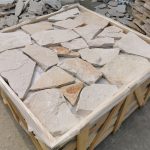

Lightweight stone veneer can be used in a wide range of applications, both indoors and outdoors, for residential, commercial, and landscaping projects. Some of the most common applications of lightweight stone veneer include:
1. Interior Walls: Lightweight stone veneer can be used to create stunning accent walls, fireplace surrounds, kitchen backsplashes, and other interior wall features. The natural textures and colors of the stone add warmth and character to any room, making it a popular choice for residential and commercial spaces.
2. Exterior Facades: Lightweight stone veneer can enhance the curb appeal and architectural style of buildings by creating beautiful exterior facades. Whether used as a full cladding material or as a decorative accent, lightweight stone veneer adds a touch of sophistication and luxury to residential homes, commercial buildings, and other structures.
3. Fireplaces and Chimneys: The heat-resistant properties of lightweight stone veneer make it an ideal choice for fireplaces, chimneys, and outdoor fire pits. The natural beauty of the stone complements the warmth and coziness of a fire, creating a focal point for gathering and relaxation.
4. Landscaping Features: Lightweight stone veneer can be used to create stunning landscaping features such as retaining walls, garden borders, and outdoor kitchens. The durability and weather resistance of the product make it a practical choice for outdoor applications that require both aesthetics and functionality.
5. Commercial Spaces: Lightweight stone veneer is a popular choice for commercial spaces such as restaurants, hotels, retail stores, and office buildings. The versatility and durability of the product make it suitable for high-traffic areas that require a combination of style and performance.
Installation Techniques for Lightweight Stone Veneer
Installing lightweight stone veneer requires careful planning, preparation, and attention to detail to ensure a successful and long-lasting result. While the installation process may vary depending on the specific product and application, the following are general guidelines and techniques for installing lightweight stone veneer:
1. Surface Preparation: Before installing lightweight stone veneer, the surface must be clean, dry, and free of any debris or contaminants. Depending on the substrate material, additional preparation such as waterproofing or flashing may be required to ensure proper adhesion and moisture protection.
2. Layout and Design: Plan the layout and design of the stone veneer installation, taking into account the size and shape of the veneer panels, the pattern of the joints, and any architectural details or features. Dry-fit the veneer panels to ensure proper alignment and spacing before applying adhesive.
3. Adhesive Application: Apply a generous amount of high-quality adhesive to the back of the lightweight stone veneer panel, ensuring full coverage and a strong bond with the substrate. Press the panel firmly against the surface, using spacers or shims to maintain consistent joint widths.
4. Jointing and Finishing: After the adhesive has cured, fill the joints between the stone veneer panels with grout or mortar to create a seamless and cohesive look. Use a grout float or trowel to press the grout into the joints and smooth the surface for a professional finish.
5. Sealing and Maintenance: Once the lightweight stone veneer installation is complete, seal the surface with a suitable sealer to protect the stone from moisture, stains, and UV damage. Regular maintenance such as cleaning and resealing will help preserve the beauty and integrity of the veneer over time.
Conclusion
In conclusion, lightweight stone veneer is a versatile, sustainable, and cost-effective building material that offers endless design possibilities for architects, designers, builders, and homeowners. From interior walls to exterior facades, fireplaces to landscaping features, lightweight stone veneer can transform any space with its natural beauty and durability. By understanding the composition, benefits, applications, and installation techniques of lightweight stone veneer, you can make informed decisions when incorporating this innovative product into your next project. Whether you are looking to enhance the aesthetics of your home or create a stunning commercial space, lightweight stone veneer is a stylish and sustainable choice that will stand the test of time.